Children
Children
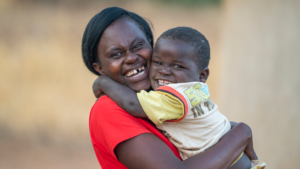
A high number of children living with HIV and pregnant women are still unaware of their HIV status or not able to start and continue treatment. Without treatment, 50% of children born with HIV will die before age two.
Read more
million people worldwide are living with HIV
of people above 15 years have no access to treatment
people die of AIDS every single year
As one of the largest HIV-specific funders in the world, we fund and raise funds to directly support communities with long-term, flexible, and core funding and funding for advocacy. We recognise that funding alone is not sufficient to address the complex challenges of HIV. We put communities in the lead to address challenges and inequalities by giving them the power to decide on funding and programming to make the most effective investments to end AIDS. We encourage innovation by piloting and scaling approaches and models to make the biggest impact.
Read all about our approachWe know from more than four decades of experience that community-led approaches are the only way to end AIDS. That is why we invest in communities through community-led responses, like the Love Alliance and the Robert Carr Fund. In those programmes and funds, communities play a central part in decision-making processes and investments. They know best what is needed and what works.
A high number of children living with HIV and pregnant women are still unaware of their HIV status or not able to start and continue treatment. Without treatment, 50% of children born with HIV will die before age two.
Read more
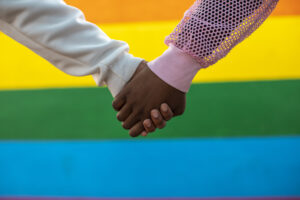
LGBTIQ+ people are 13 times more likely to acquire HIV than other adults. They often face high levels of stigma, discrimination and violence, which directly limits their access to (life-saving) health care.
Read more
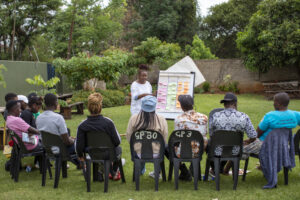
Key populations living with HIV face stigma due to fear and ignorance surrounding HIV transmission; and stigma due to negative societal attitudes and perceptions that exist towards same-sex relations, sex work and drug use. In most countries the HIV response is not sensitive to the needs of key populations living with HIV. Standard HIV prevention, treatment, care and support services often do not include relevant information for key populations living with HIV to live healthy and dignified lives. Health care providers are uninformed or there are legal and policy barriers that make it impossible to discuss sex work, drug use and same-sex relations in a health care setting.
Read more
People who use drugs often face severe stigma and discrimination and lack access to much-needed health services. Even when these services are available, many drug users are afraid to make use of them because of fear of imprisonment and human rights abuses. As a result, sharing/using unsterile injecting equipment is the primary route of HIV transmission in many regions in the world.
Read more
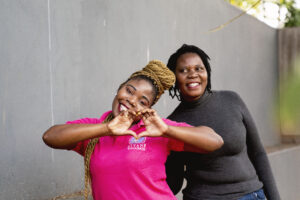
Globally, sex workers are 13.5 times more likely to be living with HIV than others. Sex work is criminalised in over 110 countries contributing to high levels of violence, stigma, discrimination and other human rights violations. This often results in inconsistent condom use and prevents sex workers from accessing necessary legal support and health care. For example, only 22.5% of female sex workers in Africa have access to HIV prevention programmes. These barriers make sex workers considerably more vulnerable to HIV and AIDS, as well as other sexually transmitted infections and different forms of violence.
Read more
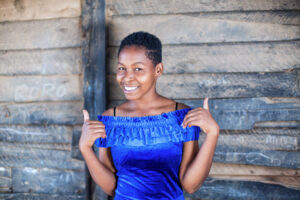
Women are disproportionally affected by HIV. In 2022, girls and women made up more than half of the 37.7 million people living with HIV –namely 20.2 million. As a result, AIDS remains the number one death cause for young women worldwide. A main driver for increased levels of contracting HIV is poverty. In many places (young) women lack sustainable livelihoods and income, lack opportunities to education, and face gender inequality.
Read more
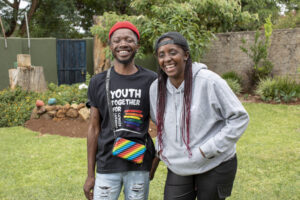
Young people often lack access to sexual information and services. Policies are often not well aligned to the reality of young people. Young people are not always aware of their rights. This hinders their access to sex education and there is a lack of youth-friendly health services. Therefore, young people are often unable to make informed choices concerning their sexual and reproductive health and rights (SRHR), with all the consequences that that entails.
Read more
What is new? Check out our highlights!
On November 21, donors fell short of the Global Fund’s USD 18 billion target - a disappointing outcome at a time when increased support for HIV, TB and malaria is urgently needed. Now, 330 organisations worldwide are urging the European Commission to confirm a €800 million pledge ahead of the February 2026 Board Meeting. This would help ensure timely funding for country programmes and unlock €400 million in US matching funds. The Nov. 21 outcome fell short, but a stronger result is still possible - and the European Commission and EU Member States can play a key role, in line with Europe’s leadership in global health.
Read more
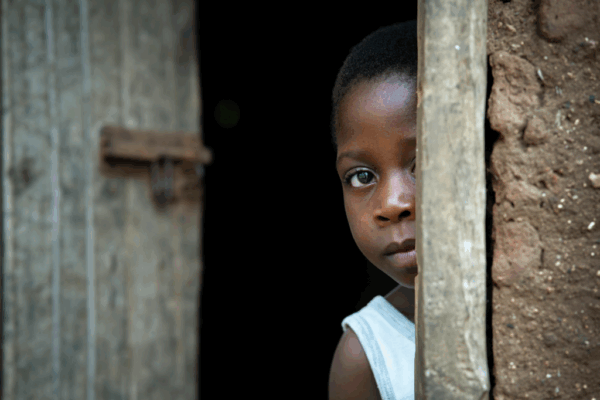
This open call for proposals invites community-based partners, medical institutions and non-governmental organisations (NGOs) to implement effective evidence-based approaches and interventions to reach new children and adolescents living with HIV (0-14) through testing and linking to anti-retroviral treatment and care in Malawi, Mozambique, South Africa, Tanzania and Nigeria.
Read more

Peaches, a peer educator from Johannesburg, shares her powerful journey from surviving abuse and criminalisation to becoming a source of support and hope for others. This video was created through a participatory process, with Peaches having full creative control over what to share and how to share it. She chose the format and content herself, ensuring the story reflects her voice, experiences, and journey.
Read more
Aidsfonds is interested in working together to further strengthen community leadership, increase HIV prevention choices, and improve treatment outcomes and quality of life of people living with or exposed to HIV. We want to talk to anyone who shares our dream and wants to join us on a journey toward a world free of AIDS.
Get in touch!