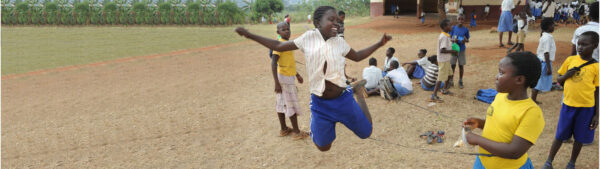
TAFU programme is building the capacity of community structures
Last updated on: 06 March 2024
One achievement that I’m most proud of from the TAFU program is building the capacity of community structures. This is very critical, because the community structures especially the expert clients, are very supportive of the peers. Says Joselyne Mwabadde of the National Forum of People living with HIV and AIDS in Uganda (NAFOPHANU), one of the valuable implementing partners in the Towards an AIDS free Generation in Uganda (TAFU) programme in the past eight years. She reflects on the crucial role of community structures in ensuring children living with HIV have access to the care they need. Watch her interview!
“NAFOPHANU has been implementing TAFU that is the towards an AIDS free generation in Uganda program for the last eight years. We have been working through the PLHIV networks, that is, the expert clients. These structures have been instrumental in supporting the identification, the referral and follow up of lost clients, especially the children and pregnant women. One achievement that I’m most proud of from the TAFU program is building the capacity of community structures. This is very critical, because the community structures especially the expert clients, are very supportive of the peers. This is because they are living in the communities where the children living with HIV also live. And this has helped the TAFU program to realize its goal of increasing enrollment of children living with HIV into care, simply because the expert clients have been able to educate the community about what paediatric HIV is.”
About the TAFU programme
The Towards an AIDS Free Generation in Uganda programme was Aidsfonds’ first paediatric HIV community intervention programme co-created with Ugandan community-based partner organisations. The program trained community resource persons and village health teams to identify children living with HIV, refer them to health facilities and follow up on them after they are enrolled in HIV care. Based on the successes and learnings of TAFU in Uganda, Aidsfonds scaled paediatric HIV programming to four other countries between 2018-2021: Zimbabwe, South Africa, Mozambique and Nigeria. These five programmes, co-developed with partner organisations form the basis for the Aidsfonds Kids to Care model for community-based paediatric HIV programming.
The Towards an AIDS Free Generation in Uganda (TAFU) programme was Aidsfonds’ first paediatric HIV community intervention programme. The programme trained up community health workers to identify HIV positive children, and link individuals to care and ongoing support. The programme was co-created through community leadership and engagement with key stakeholders, building on community knowledge of the needs of children living with HIV. Towards an AIDS Free Generation in Uganda changed the way that community-based paediatric HIV services were delivered.
Request for Proposals: Bridge Funding for Dutch HIV Cure Cohort Infrastructure
Request for Proposals: Bridge Funding for Dutch HIV Cure Cohort Infrastructure
Aidsfonds is pleased to announce a targeted Call for Proposals for Bridge Funding for Dutch HIV Cure Cohort Infrastructure. To preserve the Netherlands' leading role in global HIV cure research, this one-time strategic funding aims to prevent the loss of valuable cohort infrastructure and participant engagement during the current transition between major structural funding cycles. The call is strictly intended to secure operational continuity, stabilize biobanking pipelines and retain core technical staff. It cannot be used to launch new, independent clinical studies.
Aidsfonds is proud to announce the first Request for Proposals under the ActHIVate Fund, a new pooled funding mechanism designed to strengthen community-led HIV responses for and by trans and men who have sex with men (MSM) communities in contexts where access to healthcare remains severely restricted.